Darknet Markets 2026:
The dark web is part of the deep web but is built on darknets: overlay networks that sit on the internet but which can't be accessed without special tools or software like Tor. Tor is an anonymizing software tool that stands for The Onion Router — you can use the Tor network via Tor Browser.
| Darknet Market | Established | Total Listings | Link |
|---|---|---|---|
| TorZon Market | 2022 | 140+ | Onion Link |
| Nexus Market | 2024 | 600+ | Onion Link |
| Abacus Market | 2022 | 100+ | Onion Link |
| Ares | 2026 | 100+ | Onion Link |
| Cocorico | 2023 | 110+ | Onion Link |
Updated 2026-07-28
How a Darknet Link Gives You a Better Shopping Experience
A darknet market link provides direct access to a specialized e-commerce platform where the primary mechanism for ensuring transaction quality is a robust, user-driven feedback system. This system functions as a decentralized quality assurance protocol. Every completed purchase allows the buyer to leave detailed ratings and written reviews on the product and the vendor's service.
The cumulative history of these reviews forms a vendor's reputation, which is publicly displayed as a score or trust level. A high reputation score is a strong indicator of consistent product quality and reliable shipping. Buyers systematically use this data to make informed decisions, effectively crowdsourcing the verification process. This creates a self-regulating environment where vendors are economically incentivized to maintain high standards, as negative feedback directly impacts future sales.
The range of available products is extensive, with detailed listings that often include technical specifications, origin information, and batch-specific data. The peer-to-peer model facilitates a direct exchange, removing traditional retail intermediaries and allowing for a more transparent dialogue between producer and consumer. Accessing this commerce is straightforward: using the provided link, users can navigate, evaluate historical vendor performance, and select products based on empirical evidence from previous buyers, ensuring a higher probability of a satisfactory transaction.
Buying on the darknet is like using a regular online shop
The operational framework of a darknet market is fundamentally analogous to that of a mainstream e-commerce platform. A user accesses the site via a specific darknet market link, which functions as a gateway to a digital marketplace. Upon entry, the interface presents a familiar structure: categorized product listings, search functions, and individual vendor shops. This design facilitates a straightforward browsing and purchasing experience.
The process for acquiring quality goods relies on integrated systems of verification. Each product listing includes detailed descriptions, photographs, and crucially, a history of user feedback. This system of reviews and ratings allows buyers to assess product quality and vendor reliability before a transaction is initiated. A vendor with consistently high ratings and positive reviews establishes a trusted reputation, which is visibly displayed on their profile.
The transaction itself is secured through an escrow service managed by the market. Funds are held by the platform until the buyer confirms satisfactory receipt of the product, only then are they released to the vendor. This mechanism protects both parties and enforces honest conduct. The entire exchange is completed using cryptocurrency, which provides the necessary financial privacy. The range of available products is extensive, with vendors competing on price, quality, and service, much like on any other online retail site.
How Crypto and Reviews Make Buying on the Darknet Safe and Easy
The financial architecture of a darknet market is built on cryptocurrency, primarily Bitcoin and Monero. This system enables a secure and pseudonymous transaction layer, separating financial identity from marketplace activity. Payments are not sent directly to a vendor. Instead, the market employs a multisignature escrow service, holding the buyer's funds until order completion. This mechanism protects both parties: the vendor is assured of secured payment, while the buyer has recourse if the product does not arrive.
This escrow model is fundamental for establishing initial trust. To further ensure quality, buyers rely on the platform's integrated user feedback systems. Each completed transaction can be accompanied by a detailed rating and written review, creating a transparent record of a vendor's reliability and product consistency. A vendor with a long history of positive feedback and high ratings demonstrates a commitment to successful transactions. Buyers systematically analyze this data, focusing on:
- Detailed descriptions of product purity and weight
- Notes on shipping speed and stealth packaging
- The vendor's response rate to issues or questions
The process is a direct peer-to-peer exchange, facilitated by the market's infrastructure. A buyer selects a product, submits a cryptocurrency payment to escrow, and the vendor ships the order. Upon confirmation of delivery, the funds are released. This streamlined commerce, backed by immutable feedback and cryptographic security, allows users to efficiently identify reputable vendors and procure products that meet specified quality standards.

A Wide Selection of Goods on the Darknet
The product diversity on a darknet market is extensive, moving far beyond common assumptions. While controlled substances represent a significant segment, the ecosystem supports commerce in numerous other categories. These include digital goods like software licenses and e-books, various forms of personal identification and financial documents, and specialized services such as digital security consultations. This variety functions similarly to any large e-commerce platform, catering to specific niche demands that are not easily met through conventional retail channels.
Quality assurance is primarily managed through a transparent, user-driven feedback system. Each product listing includes detailed vendor ratings and historical sales data. Buyers leave detailed reviews and assign scores, which aggregate to form a vendor's overall reputation. This creates a self-regulating environment where consistent product quality and reliable shipping are directly rewarded with higher visibility and more sales. A vendor with a long history of positive feedback becomes a trusted entity within the market.
The process for finding quality products is systematic. Users utilize search filters and category browsing to locate items. The most critical step is analyzing the vendor's profile, which displays:
- Their overall rating and number of completed transactions.
- Specific product reviews with user comments.
- Their stated shipping policies and success rates.
This information allows a buyer to make an informed decision. Trust is not assumed but is earned and displayed quantitatively. The peer-to-peer model ensures a direct exchange, with the market's escrow system holding payment until the buyer confirms satisfactory receipt of the goods. This mechanism protects all parties and reinforces the necessity for vendors to maintain high standards to receive funds.
How Reviews Build Trust and Ensure Good Products on the Darknet
The user feedback system is the primary mechanism for establishing trust and verifying product quality on a darknet market. It functions as a transparent, community-driven review platform where buyers post detailed evaluations of their purchases. These reviews typically include ratings for product accuracy, stealth packaging, vendor communication, and shipping speed.
This direct feedback creates a self-regulating environment. Vendors with consistently high ratings and positive comments develop a strong reputation, which is visibly attached to their storefront. This reputation becomes their most valuable asset, directly influencing sales. Conversely, vendors offering substandard products or engaging in scams are quickly identified through negative feedback, which warns other users and typically leads to a loss of business.
The system allows for informed decision-making. Before a purchase, a buyer can analyze a vendor's historical performance by examining:
- The total number of completed transactions.
- The percentage of positive versus negative feedback.
- Written reviews describing the exact experience with a specific product.
This cumulative data provides a reliable indicator of expected outcomes, significantly reducing the uncertainty inherent in anonymous commerce. The feedback loop incentivizes vendors to maintain high standards and accurate product descriptions, as their commercial viability depends on it.
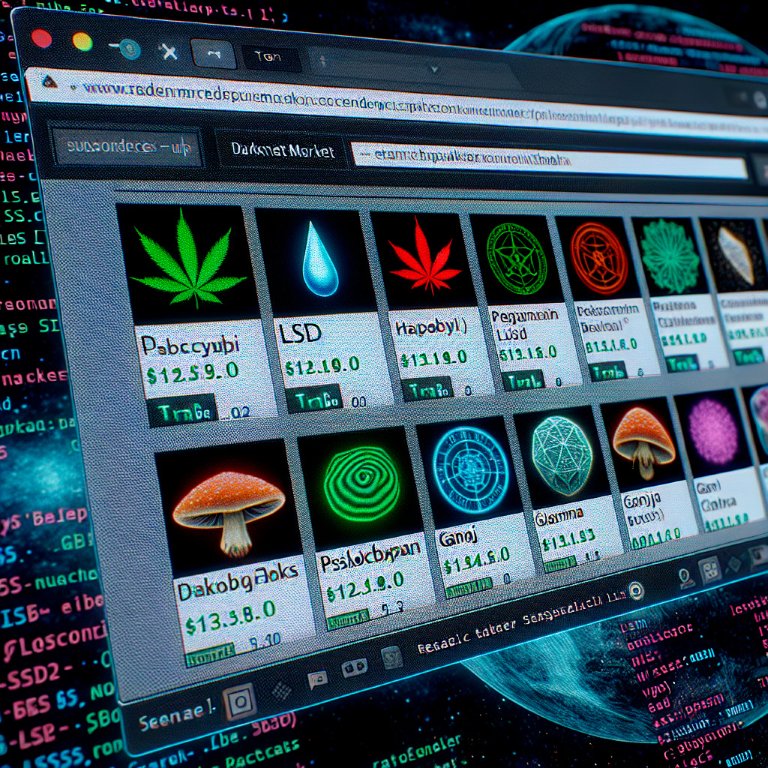
How Direct Trade Works on the Darknet
The peer-to-peer model is the operational foundation of a darknet market link, eliminating traditional intermediaries. This architecture facilitates a direct exchange between a buyer and a vendor, which streamlines commerce and reduces external fees. The system operates on principles of decentralized trust, where the platform itself primarily acts as an escrow agent and feedback aggregator rather than a controlling retailer.
This direct connection allows vendors to establish their reputation through consistent performance. A vendor's profile becomes a critical resource, displaying a transaction history, customer ratings, and detailed feedback. Key metrics include:
- Overall positive rating percentage
- Number of completed transactions
- Specific comments on product quality and shipping
For product quality, the feedback system provides a transparent verification mechanism. Buyers report on the accuracy of product descriptions, purity, and delivery reliability. This creates a self-regulating environment where high-quality vendors are economically rewarded with more business, while unreliable ones are quickly marginalized by negative reviews.
The procurement process is straightforward. A user accesses the market via a darknet market link, selects a product from a vendor with a proven track record, and completes the transaction using cryptocurrency held in escrow. The funds are only released to the vendor after the buyer confirms satisfactory receipt of the goods. This escrow protection is a cornerstone of the model, balancing risk between the two parties and enabling trust in an anonymous setting.
How Good Reviews Make Buying Easier
The foundation of a functional darknet market is a reliable vendor reputation system. This system operates on a principle of transparent, user-generated feedback. After each transaction, buyers leave detailed reviews and assign a numerical rating, often on a scale from one to five stars. This creates a permanent, public record of a vendor's performance.
The cumulative feedback forms a vendor's profile, which includes several critical metrics:
- The overall rating percentage, often above 95 for trusted sellers.
- The total number of completed transactions.
- Specific feedback comments about product quality, shipping speed, and communication.
Reputation directly mitigates the inherent risks of anonymous commerce. It creates a form of digital accountability. Vendors are economically incentivized to maintain high standards, as a single negative review can impact future sales. This peer-enforced quality control is more immediate than traditional retail systems. Buyers can assess a vendor's history before committing to a purchase, making an informed decision based on the experiences of hundreds of previous customers. The system efficiently aggregates decentralized information, allowing trust to be established through verified community consensus rather than central authority.

Easy Shopping with Darknet Feedback
A darknet market link provides a direct gateway to a commercial ecosystem where the primary challenge for a user is efficiently identifying quality products and reliable vendors. This process is streamlined by the platform's inherent design, which replicates and often enhances the feedback mechanisms of conventional e-commerce. The peer-to-peer model eliminates intermediaries, creating a direct line between producer and consumer. This structure incentivizes vendors to maintain high standards, as their success is directly tied to their reputation.
Trust is built systematically through user feedback systems. Each transaction concludes with a rating and often a detailed review, covering product accuracy, shipping speed, and communication. These reviews are aggregated into a vendor's public profile, creating a transparent history of performance. A vendor with a long history of positive feedback and a high score becomes a trusted entity within the marketplace. This system allows buyers to make informed decisions by assessing:
- The consistency of product quality over time.
- The vendor's responsiveness in resolving issues.
- The reliability of shipping and stealth methods.
The range of products available is vast, but the focus on desired substances is particularly evident. For these products, the feedback loop is crucial. Buyers report on purity, potency, and overall experience, creating a crowdsourced quality control mechanism. This access to collective user experience reduces uncertainty. A darknet market, therefore, functions as a curated space where commerce is facilitated not by branding in the traditional sense, but by verifiable track records and community-driven validation, making the process of finding quality straightforward and based on empirical evidence.