Darknet Markets 2026:
The dark web is part of the deep web but is built on darknets: overlay networks that sit on the internet but which can't be accessed without special tools or software like Tor. Tor is an anonymizing software tool that stands for The Onion Router — you can use the Tor network via Tor Browser.
| Darknet Market | Established | Total Listings | Link |
|---|---|---|---|
| TorZon Market | 2022 | 140+ | Onion Link |
| Nexus Market | 2024 | 600+ | Onion Link |
| Abacus Market | 2022 | 100+ | Onion Link |
| Ares | 2026 | 100+ | Onion Link |
| Cocorico | 2023 | 110+ | Onion Link |
Updated 2026-07-28
How Darknets Make Buying Drugs Safe and Easy
Finding quality goods and establishing trust with sellers is a core function facilitated by the darknet's integrated systems. The process relies on a combination of cryptocurrency payments, vendor review systems, and community feedback to create a self-regulating commercial environment. Cryptocurrencies like Bitcoin and Monero provide the necessary financial privacy, allowing transactions to be completed without linking personal banking details to a purchase. This financial layer is fundamental, as it separates the act of payment from a user's legal identity, enabling the subsequent steps of reputation-building to occur.
Reputation is built transparently through feedback mechanisms. Each vendor profile displays a history of:
- Completed transaction counts
- Detailed buyer ratings
- Written reviews describing product quality and shipping
This public ledger of past performance allows buyers to make informed decisions, consistently directing business toward reliable sellers and economically marginalizing those who provide substandard goods or service. The escrow system, where funds are held by the marketplace until the buyer confirms receipt, further protects the transaction. This structure reduces fraud and incentivizes honest trade, as vendors only receive payment after successfully delivering the product. The result is a peer-to-peer ecosystem where economic efficiency is achieved through direct feedback and cryptographic security, enabling a global selection of goods to be exchanged based on demonstrated reliability rather than geographic location or traditional advertising.
How Crypto and Reviews Build Trust in Darknet Markets
The foundation of trust and quality assurance on a darknet marketplace is its integrated feedback and review system. These systems function as a decentralized reputation mechanism, where every completed transaction can be rated and described by the buyer. A vendor's history, displayed as a public profile with aggregate scores and detailed comments, becomes their most valuable asset. Buyers systematically leverage this data to identify reliable sellers, creating a self-regulating environment where consistent product quality and honest service are financially rewarded through increased sales.
This peer-review process is directly enabled by the properties of cryptocurrency. Because payments are irreversible and pseudonymous, the review itself cannot be falsified by a fraudulent chargeback, and the buyer can leave feedback without fear of direct financial retaliation. The escrow service, typically managed by the marketplace software, holds the crypto funds until the buyer confirms satisfactory receipt of the goods. This mechanism aligns incentives: the seller is motivated to fulfill the order accurately to release the funds, while the buyer is motivated to finalize the transaction and provide feedback upon completion. The entire cyclesearch, evaluation, secured crypto payment, and reviewestablishes a verifiable chain of commerce.
For the buyer, the practical analysis involves several steps:
- Examining a vendor's overall rating and total number of transactions.
- Reading recent and detailed feedback about product purity, shipping speed, and stealth packaging.
- Verifying the vendor's tenure on the platform and their response to any rare negative reviews.
How Encryption Keeps Your Identity and Purchases Safe on the Darknet
The foundation of trust in any darknet marketplace is the robust encryption that secures all communications and financial transactions. This technological layer is not optional; it is the essential mechanism that enables private commerce by ensuring user anonymity and protecting sensitive transaction details from interception.
When a user accesses a marketplace, their connection is routed through the Tor network, which encrypts traffic multiple times. This process obfuscates the user's real IP address, making it extremely difficult to trace their physical location or identity. Once on the platform, all messages between buyers and sellers are secured with end-to-end encryption, often using PGP (Pretty Good Privacy) keys. This means only the intended recipient, possessing the correct private key, can decrypt and read the message content, which typically includes shipping addresses and order specifics.
The payment process leverages this security through the use of cryptocurrencies like Bitcoin or Monero. Transactions are recorded on a public ledger, but the identities behind the wallet addresses are concealed. To add a further layer of financial obfuscation, most markets employ a multisignature escrow system. In this setup, the buyer's cryptocurrency is held in a secure, third-party wallet controlled by multiple keys until the product is received and confirmed. This mechanism:
- Protects the buyer from fraudulent sellers who might not ship items.
- Protects the seller from fraudulent chargebacks or disputes.
- Ensures the market operator cannot unilaterally steal the funds, as multiple signatures are required for release.
This integrated approach to securitycombining network anonymity, communication encryption, and cryptographic financial toolscreates a self-contained ecosystem where trade can occur with a high degree of confidence in the privacy and security of each party's identity and data.
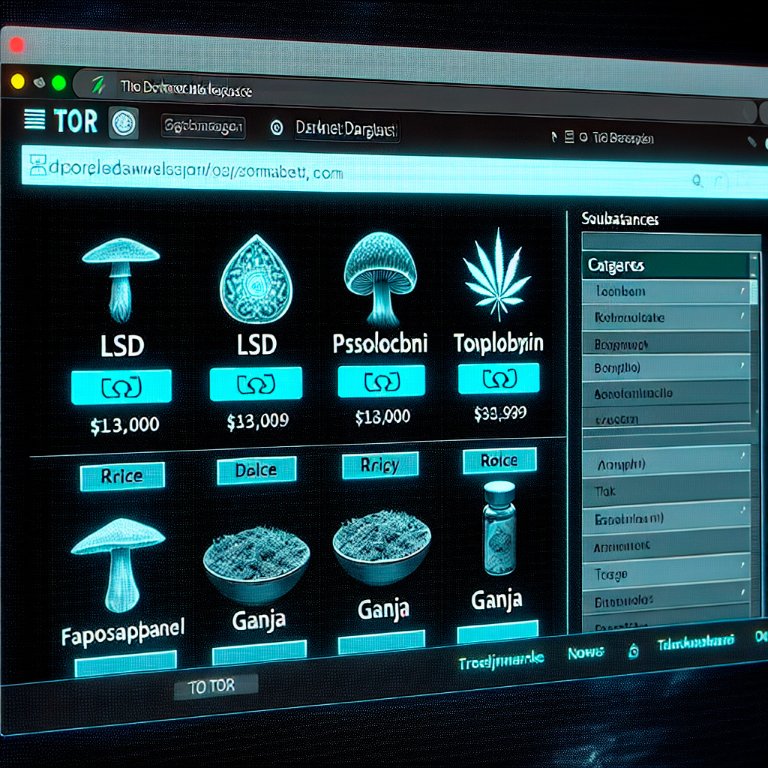
Buying Drugs on the Darknet: A Global Marketplace
The darknet marketplace model provides a global selection of goods for direct purchase, operating on principles of peer-to-peer trade and cryptocurrency payments. This ecosystem functions through a combination of technological infrastructure and community-driven feedback mechanisms that ensure reliability and quality.
Buyers access a wide range of products, from pharmaceuticals to digital goods, which are shipped directly from vendors worldwide. The use of cryptocurrencies like Bitcoin or Monero facilitates these secure and private transactions, as the blockchain provides a payment layer that is pseudonymous and does not require traditional banking intermediaries. This financial layer is complemented by robust encryption that protects communication and transaction details, effectively separating user identity from their commercial activity.
Finding quality goods and trusted sellers is managed through transparent review and rating systems. Each vendor maintains a public profile with metrics such as:
- Transaction completion rate
- Product quality scores from past buyers
- Detailed feedback on shipping and stealth
- Communication responsiveness ratings
This creates a self-regulating environment where vendors build long-term reputation capital. High-rated sellers are economically incentivized to maintain consistent product quality and reliable service, as their business success depends directly on their public score. The escrow system, where funds are held by the marketplace until the buyer confirms receipt, further reduces fraud risk. This combination of cryptographic security for payments and crowdsourced verification of sellers results in an efficient platform for global exchange that prioritizes transactional certainty and product diversity.
How Reviews Make Buying on the Darknet Safer
The decentralized and anonymous nature of darknet commerce necessitates robust trust mechanisms. Review and rating systems fulfill this role, creating a transparent layer of accountability that directly informs purchasing decisions. These systems aggregate user feedback on product quality, shipping speed, and vendor communication, transforming subjective experience into actionable data.
For buyers, this mitigates the inherent risk of anonymous trade. A vendor with a long history of positive feedback and high ratings is statistically more reliable. Reviews often detail specific aspects:
- the precise purity or potency of a substance
- the stealth and efficiency of packaging
- the accuracy of the product description against what was received
This peer-generated verification is more effective than traditional marketing. Vendors are economically incentivized to maintain high standards, as their reputation, encapsulated in a reputation score, is their primary asset. A single consistent negative trend in reviews can severely impact future sales. The system creates a self-regulating marketplace where quality vendors thrive, and substandard or fraudulent actors are systematically marginalized through collective feedback.
The integration with cryptocurrency escrow services strengthens this model. Funds are held securely until the buyer confirms satisfactory receipt of the order. This prevents exit scams and directly links the vendor's payment to their performance, as evidenced by the buyer's final approval and subsequent review. The entire cyclesearch, transaction, fulfillment, and feedbackoperates on principles of verified trust and cryptographic security, facilitating efficient peer-to-peer exchange on a global scale.

How the Darknet Makes Drug Trade Efficient
The economic efficiency of darknet markets stems from their peer-to-peer architecture, which removes traditional intermediaries. This structure directly connects buyers and sellers globally, reducing overhead costs and enabling competitive pricing. The absence of conventional retail markups and regulatory fees allows vendors to offer goods at rates often lower than those found in traditional illicit markets or even legal alternatives for certain products.
This efficiency is sustained by integrated systems for finding quality goods and trusted sellers. Markets employ a decentralized reputation framework where every transaction can be reviewed. Buyers leave detailed feedback on product quality, shipping speed, and stealth, creating a transparent and self-regulating environment. High vendor ratings and consistent positive reviews become a trust metric, allowing reliable sellers to thrive while poor performers are marginalized.
Secure crypto payments are the transactional backbone. Cryptocurrencies like Bitcoin and Monero facilitate fast, borderless settlements without relying on banks. The use of escrow services held by the market platform protects both parties: funds are only released to the seller after the buyer confirms receipt. This mechanism enforces fair trade and builds systemic trust, reducing the risk of fraud.
The combination of these elements creates a streamlined economic model:
- Direct global supplier access eliminates geographic monopolies.
- Reputation systems efficiently allocate market share to high-quality vendors.
- Cryptocurrency and escrow minimize transactional friction and financial risk.
How Security Makes Darnet Trade Reliable
The sustained operation of a darknet marketplace relies on a robust framework of operational security that directly enables users to find quality goods and trusted sellers. This security is not an abstract concept but a practical system built on cryptographic principles and community feedback. At its core, the escrow service managed by the marketplace holds a buyer's cryptocurrency payment in reserve until the ordered goods are received and confirmed. This mechanism financially incentivizes vendors to ship the correct product in a timely manner, as they only receive funds upon successful completion.
This financial safeguard is reinforced by a transparent review and rating system. Buyers leave detailed feedback on product purity, shipping speed, and stealth packaging, creating a persistent reputation for each vendor. A seller with a long history of high ratings and positive reviews becomes a trusted entity within the ecosystem. The system allows for informed decision-making, where buyers can consistently identify reliable sources for high-quality products based on collective, verifiable experience rather than anonymous claims.
The entire transaction is protected by layers of encryption. End-to-end encryption for all communications ensures that deal terms and shipping details remain private between the buyer and seller. Furthermore, the mandatory use of cryptocurrencies like Bitcoin or Monero provides a secure and private payment method. These currencies operate on decentralized networks, allowing for the peer-to-peer transfer of value without revealing the identities of the transacting parties. The combination of escrow, reputation tracking, encrypted communication, and cryptocurrency creates a self-regulating and secure environment for global trade.
How Darknet Markets Connect Buyers and Sellers Worldwide
The global reach of darknet marketplaces is fundamentally enabled by their use of cryptocurrency and end-to-end encryption. These technologies remove traditional geographic and financial barriers, allowing a buyer in one country to seamlessly purchase goods from a vendor on another continent. The peer-to-peer model eliminates intermediaries, facilitating a direct and efficient exchange that operates outside conventional trade channels.
For buyers, finding quality products relies on transparent vendor review systems. These systems function as a decentralized reputation mechanism. Detailed feedback on product purity, shipping speed, and communication allows new users to identify trusted sellers with proven track records. This collective intelligence reduces uncertainty and fosters a competitive environment where vendors are incentivized to maintain high standards to secure repeat business.
The process is streamlined and secure. A transaction proceeds through a series of managed steps:
- Buyer selects a product and sends cryptocurrency to a secured escrow account held by the marketplace.
- The vendor ships the product directly to the buyer.
- Upon successful delivery, the buyer releases the funds from escrow to the vendor.
This escrow system protects both parties, while encrypted messaging preserves privacy. The result is a self-regulating economic platform that connects a global supply with global demand, demonstrating the operational efficiency of decentralized, anonymous trade.