Darknet Markets 2026:
The dark web is part of the deep web but is built on darknets: overlay networks that sit on the internet but which can't be accessed without special tools or software like Tor. Tor is an anonymizing software tool that stands for The Onion Router — you can use the Tor network via Tor Browser.
| Darknet Market | Established | Total Listings | Link |
|---|---|---|---|
| TorZon Market | 2022 | 140+ | Onion Link |
| Nexus Market | 2024 | 600+ | Onion Link |
| Abacus Market | 2022 | 100+ | Onion Link |
| Ares | 2026 | 100+ | Onion Link |
| Cocorico | 2023 | 110+ | Onion Link |
Updated 2026-07-28
Nexus Makes Shopping on the Darknet Easy
The Nexus darknet marketplace prioritizes user experience through an interface that simplifies navigation and transaction processes. The design philosophy centers on reducing complexity, allowing users to focus on procurement rather than platform mechanics. Listings are organized categorically, with search and filter functions that operate with efficiency comparable to mainstream e-commerce platforms.
This deliberate design extends to the transaction workflow. The process from product selection to finalizing a deal is streamlined into clear, sequential steps. Each stage provides necessary information without clutter, integrating key features like escrow and encrypted messaging directly into the user's journey. The system minimizes user error and enhances operational security by making secure practices the default path.
Visual clarity is maintained through a consistent layout, where vital data such as vendor reputation, product specifications, and shipping details are presented in a standardized format. This consistency allows for rapid comparison between listings and vendors, facilitating informed decision-making. The platform's architecture demonstrates that functional design in a darknet environment is a critical component of reliable and discreet commerce.
How Darknet Markets Keep Your Shopping Private
The operational foundation of the Nexus darknet shop is a multi-layered anonymity architecture. This system is designed to separate personal identity from marketplace activity for all participants. The primary tool for this is the mandatory use of the Tor network, which encrypts and routes all traffic through a distributed relay system, concealing a user's IP address and physical location from the platform and network observers.
Within this encrypted tunnel, Nexus implements internal cryptographic protocols. Buyers and sellers interact using pseudonymous identities, with all private messages secured by end-to-end encryption. This ensures that even platform administrators cannot read the contents of communications between parties. Financial transactions are conducted using cryptocurrencies like Monero or Bitcoin, which provide a public ledger of transactions without directly linking them to real-world identities. The use of cryptocurrencies with a focus on privacy features is standard, adding a financial layer of obfuscation.
The marketplace further protects user data through its operational security model. It does not require or store real names, addresses, or any personally identifiable information for account creation. Shipping details for transactions are shared only through the encrypted messaging system and are typically limited to what is necessary for delivery. This practice of data minimization ensures that even in a hypothetical data breach, the exposure of sensitive user information is drastically limited. The combined effect of these measures creates a resilient environment where commerce can proceed with a significant degree of discretion for both sourcing and vending.
How Escrow Keeps Your Darnet Drug Deals Fair
The escrow system is a fundamental security feature on the Nexus darknet marketplace. It functions as a neutral third-party holding service for cryptocurrency during a transaction. When a buyer places an order, their funds are locked in escrow and are not immediately released to the seller. This mechanism directly addresses the inherent risk of fraud in anonymous trade.
The process follows a clear sequence:
- The buyer sends payment for an order into the platform's escrow service.
- The seller is notified that funds are secured and then ships the product.
- Upon delivery, the buyer confirms receipt and the quality of the goods.
- Only after this confirmation are the funds automatically released from escrow to the seller's account.
This creates a balanced environment of trust. For the buyer, it guarantees that payment is only finalized if the product arrives as described. For reputable sellers, it provides a verified assurance of payment upon successful completion, incentivizing honest business practices. The system effectively reduces the incidence of "exit scams" where a vendor takes payment but never ships the product. Disputes are handled through a moderated resolution process where evidence from both parties can be reviewed before a decision on the escrow funds is made.
By automating and enforcing this conditional payment, Nexus escrow establishes a secure framework for commerce. It allows the peer-to-peer model to flourish by providing a structured, reliable method for financial exchange that protects both parties equally and reinforces the overall integrity of transactions on the platform.
How Feedback Creates Trust for Safe Shopping on the Darknet
The feedback system on Nexus operates as a continuous and transparent peer-review mechanism. Each completed transaction allows the buyer to leave a detailed rating and written evaluation of the product quality, shipping speed, and vendor communication. This data is permanently displayed on the vendor's public profile, creating a verifiable reputation history.
This system directly incentivizes consistent high-quality service. Vendors with a long history of positive feedback are easily identifiable, as their profile will display a high trust score and a large number of successful deals. This allows new users to make informed sourcing decisions based on collective experience rather than chance. The process is self-reinforcing: reliable vendors receive more business, while those with negative feedback are quickly marginalized.
The structure of the feedback is designed for utility. It typically includes:
- Separate numerical ratings for product accuracy, shipping, and communication.
- A mandatory text comment describing the buyer's experience.
- An automated transaction counter confirming the deal was finalized via escrow.
This granularity prevents manipulation. A single positive rating cannot offset multiple complaints about impure products, making the collective score a robust metric. For the marketplace, this decentralized moderation reduces disputes and builds a stable trading environment where trust is quantifiable and earned through repeated, satisfactory exchanges.
Easy Browsing with Organized Darknet Listings
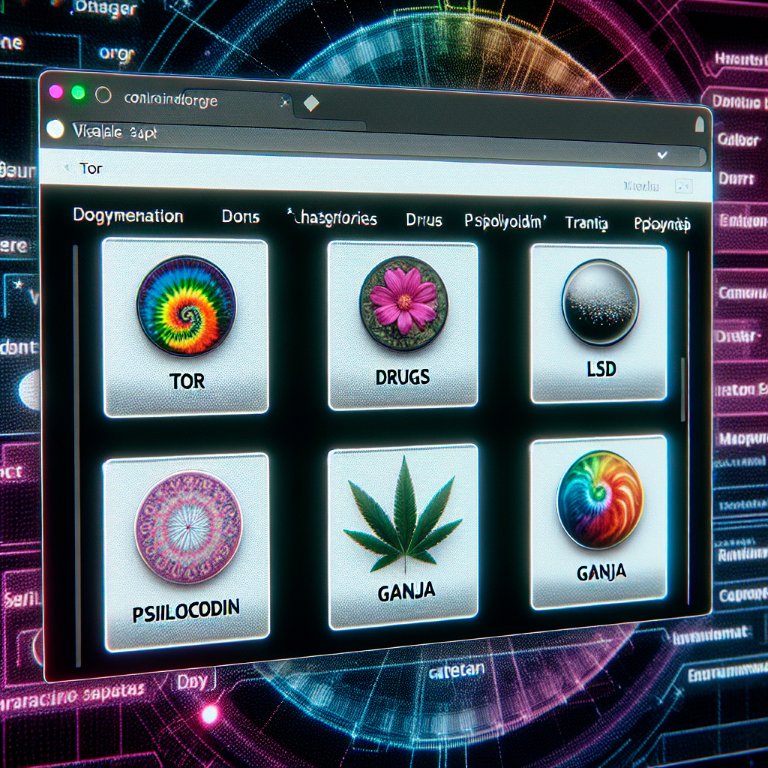
The organizational structure of product listings on the Nexus darknet marketplace is a fundamental component of its user-centric design. A clear and logical categorization system allows buyers to efficiently navigate a vast inventory, moving from broad categories like Stimulants or Psychedelics to specific subcategories and individual vendor shops. This systematic approach reduces search time and enhances the overall procurement experience.
Each listing provides a standardized set of data points, creating a consistent framework for evaluation. Key information is prominently displayed:
- Product name and precise quantity (e.g., 1 gram, 10 tablets)
- Vendor name and their current trust rating
- Pricing in cryptocurrency
- Available shipping destinations and methods
- A detailed description of the substance, often including purity level and suspected origin
The interface supports advanced filtering, enabling users to sort results by price, vendor reputation, or date of listing. This functionality mirrors the convenience of mainstream e-commerce platforms, applying it to a peer-to-peer darknet model. The result is a streamlined process where finding a specific product or comparing offers from different vendors requires minimal effort, directly supporting the platform's goal of facilitating efficient and discreet trade.
How Nexus Ensures Pure and Verified Products
The operational integrity of a darknet marketplace is fundamentally linked to the accuracy of its product listings. Nexus addresses this through a vendor-driven model that prioritizes transparent sourcing and detailed purity metrics. Vendors are incentivized to provide comprehensive data, as this information directly influences buyer trust and, consequently, their sales volume and reputation score on the platform.
Product listings on Nexus typically include specific details regarding the substance's origin and chemical composition. It is common to see information about the geographic region of production or the synthetic pathway used in manufacture. More critically, vendors frequently publish laboratory analysis results. These results, often from third-party testing services, quantify the active ingredient's percentage and list any adulterants or cutting agents present. This practice allows for an informed purchasing decision, enabling buyers to assess potency and potential health risks before a transaction is initiated.
The marketplace structure supports this transparency. The feedback and review system acts as a community verification tool, where buyers can confirm or dispute the vendor's claims about purity and source. A pattern of consistent, positive feedback regarding product quality serves as a reliable indicator of a vendor's credibility. This creates a self-regulating environment where accurate labeling becomes a competitive advantage for sellers, and access to verified products is the expected standard for buyers.
How Direct Trade Works on a Darknet Market
The Nexus marketplace operates on a peer-to-peer exchange model, which eliminates intermediaries and establishes a direct commercial link between the buyer and the seller. This structure is fundamental to its function as a distributed commerce platform. Transactions are not facilitated by a central merchant but are conducted between individual users, which reduces points of failure and potential surveillance.
This direct trade model offers several practical advantages:
- It allows for price negotiation and personalized communication regarding product specifics, shipping methods, and delivery timelines.
- Sellers can build a dedicated clientele based on service quality and product consistency, while buyers can source items directly from trusted producers or resellers.
- The economic model is streamlined, as costs associated with traditional retail infrastructure are absent, often resulting in competitive pricing for a wide range of pharmaceutical and botanical products.
The platform's infrastructure supports this model through its escrow service and feedback system. Funds are held securely in escrow until the buyer confirms satisfactory receipt of the goods, which protects both parties. The public feedback attached to each vendor profile creates a transparent reputation mechanism, making the peer-to-peer environment less anonymous in terms of reliability and more accountable. This combination of direct interaction and embedded security protocols facilitates a self-regulating marketplace where discreet sourcing and commercial trust are effectively balanced.

How Nexus Builds Trust in Darnet Drug Sales
The Nexus darknet shop operates as a functional model of distributed commerce, demonstrating how peer-to-peer trade can be organized without centralized corporate control. Its architecture directly connects buyers and sellers, facilitating a free market where product availability and pricing are determined by community demand and vendor reputation, not by a single administrative entity.
This model relies on several integrated components. The escrow service acts as a neutral third party, holding cryptocurrency payments until the buyer confirms satisfactory receipt of the product. This mechanism enforces transactional honesty. Simultaneously, the public feedback and rating system creates a persistent digital reputation for each vendor, making past performance a reliable predictor of future behavior. High-rated vendors gain more business, incentivizing consistent quality and reliable service.
For product discovery, Nexus employs organized listings with detailed categories and search functions. Listings often include specific data on product purity and source, information valued by informed consumers. The platform's design prioritizes user anonymity through encryption and routing protocols, protecting the identities of all parties involved in a transaction.
In practice, Nexus shows that distributed commerce can be efficient and self-regulating. Trust is not assumed but built and verified through:
- transparent peer reviews
- secured financial transactions via escrow
- and clear communication channels between peers.
The result is a resilient marketplace that supports discreet sourcing and operates on principles of mutual accountability and verified trust.